
Understanding Dyslexia: Common Traits and Support Strategies
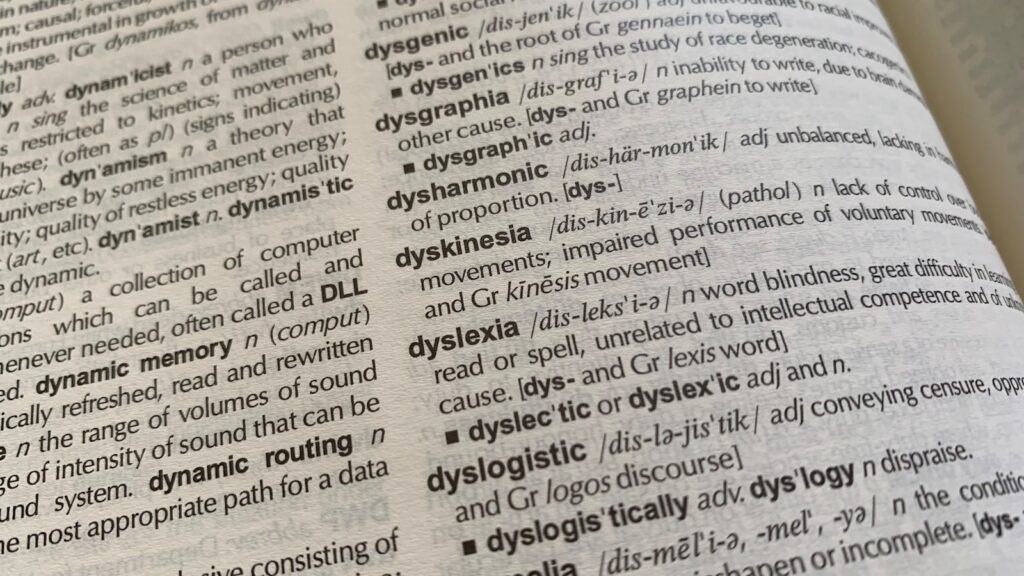
Dyslexia is a learning difference characterized by difficulties with reading, writing, and spelling, despite normal intelligence. It affects both children and adults, though specific signs and coping mechanisms can differ by age. Below, we outline the common traits of dyslexia in children versus adults, followed by practical strategies – including AI tools and lifestyle changes – to help manage these challenges in daily life.
Common Traits of Dyslexia in Children
Children with dyslexia often exhibit a “spiky” skill profile, meaning distinct strengths in some areas alongside specific weaknesses in literacy. Common signs include:
Reading Difficulties: Slow, effortful reading with difficulty blending sounds and recognizing words. Children may read below their expected grade level, read in a hesitant or monotone way, and often skip or substitute words. They might confuse letters or words that look alike (for example, reading “bread” as “beard”). Reading comprehension can suffer as they lose the thread of longer passages.
Writing and Spelling Issues: Dyslexic children usually struggle with spelling and written work. Their spelling can be highly inconsistent and phonetic – the same word might be spelled differently on the same page. It’s common to see letter reversals (e.g. confusing “b” and “d” or writing “pot” for “top”) and messy, hard-to-read handwriting. They may also have an unusual pencil grip and slow, laborious writing or copying skills.
Memory and Sequencing Problems: Many dyslexic kids have trouble with sequences and rote memorization. They might struggle to remember the alphabet in order, times tables, days of the week, or sequential instructions. Telling time on an analog clock or recalling their phone number can be challenging. Following multi-step directions in the correct order can also be hard.
Poor Concentration and Focus: Dyslexic children often have difficulty sustaining attention, especially on reading or writing tasks. They may appear easily distracted or daydream frequently in class. Some develop avoidance behaviors (e.g. asking to sharpen pencils or visit the bathroom often) to escape tasks they find difficult. The extra effort they must expend can lead to fatigue – many dyslexic students come home exhausted from the mental strain of a regular school day.
Related Behaviors and Strengths: It’s not uncommon for a dyslexic child to feel frustration or low self-esteem around schoolwork, especially if they’ve been mislabeled as “lazy” or “not trying hard enough.” They might become class clowns or withdraw to mask their difficulties. However, these same children often show strengths in areas like creative thinking, problem-solving, art, or building things, given the right opportunities. Many learn best through hands-on and visual learning rather than text-heavy instruction.
(These traits can vary widely in degree; a child with dyslexia may display several of these indicators, and not all dyslexic children will have the exact same profile.)
Common Traits of Dyslexia in Adults
Adults with dyslexia continue to experience many of the core challenges with reading and writing, though often they’ve developed coping strategies over time. Dyslexia is lifelong, so the signs persist into adulthood, but they may manifest in daily life and work situations rather than school. Common traits include:
Reading and Comprehension Difficulties: An adult with dyslexia might read unusually slowly, have to re-read text multiple times to grasp the meaning, or avoid reading long documents when possible. They may struggle to skim or scan text efficiently, instead reading word-by-word. It’s also common to confuse words that look similar (such as “rational” vs “national”) or to lose their place easily when reading paragraphs of text. Reading out loud can provoke anxiety; adults might stumble over small words or omit parts of longer words when reading aloud.
Writing and Spelling Challenges: Spelling problems usually persist into adulthood. Dyslexic adults may spell erratically, often relying on spell-check or changing a word to something simpler if unsure. Writing tasks (emails, reports, etc.) can take longer for them due to difficulty organizing thoughts on paper and checking for errors. They might write in a simplified vocabulary to avoid words they cannot spell. Some adults also have dysgraphia (trouble with handwriting/typing) – their handwriting may be messy or they find typing difficult without looking at the keyboard. Expressing themselves in writing might not reflect their intelligence or articulate verbal ability.
Memory, Organization and Time Management Issues: Many adults with dyslexia report problems with working memory and executive function. For example, they might frequently forget names, appointments or lose track of conversations and dates. Tasks that require organizing and prioritizing can be challenging – personal organization and time management are common pain points. They may struggle with keeping paperwork in order or meeting deadlines unless they use external aids. Directions can be hard to follow, especially if given as a series of steps, and some adults still confuse left vs. right or have to pause to think about it.
Avoidance and Coping Behaviors: Because of earlier experiences, an adult with dyslexia might instinctively avoid situations that highlight their difficulties. They often do not enjoy reading for fun and may feel anxiety when asked to read or write under pressure. In workplace settings, they might excel in verbal communication but feel self-conscious about written reports or may prefer jobs that are not heavily text-centric. Some dyslexic adults become very adept at verbal memory and listening; for instance, they may prefer to answer questions orally in meetings rather than prepare written documents. Low self-esteem related to literacy can linger, especially if their dyslexia went unrecognized in youth. On the positive side, adults often leverage other strengths – they might be very good at “big picture” thinking, people skills, entrepreneurship, or fields like design and engineering where visual-spatial talent is key.
Related Conditions: It’s worth noting that dyslexia can co-occur with other learning differences. Many dyslexic individuals (child or adult) also have ADHD or difficulties with math (dyscalculia) or writing (dysgraphia). These can compound issues with focus or academic tasks. Recognizing dyslexia in an adult often brings relief and understanding – it helps explain long-standing challenges and opens the door to appropriate coping strategies or accommodations.